
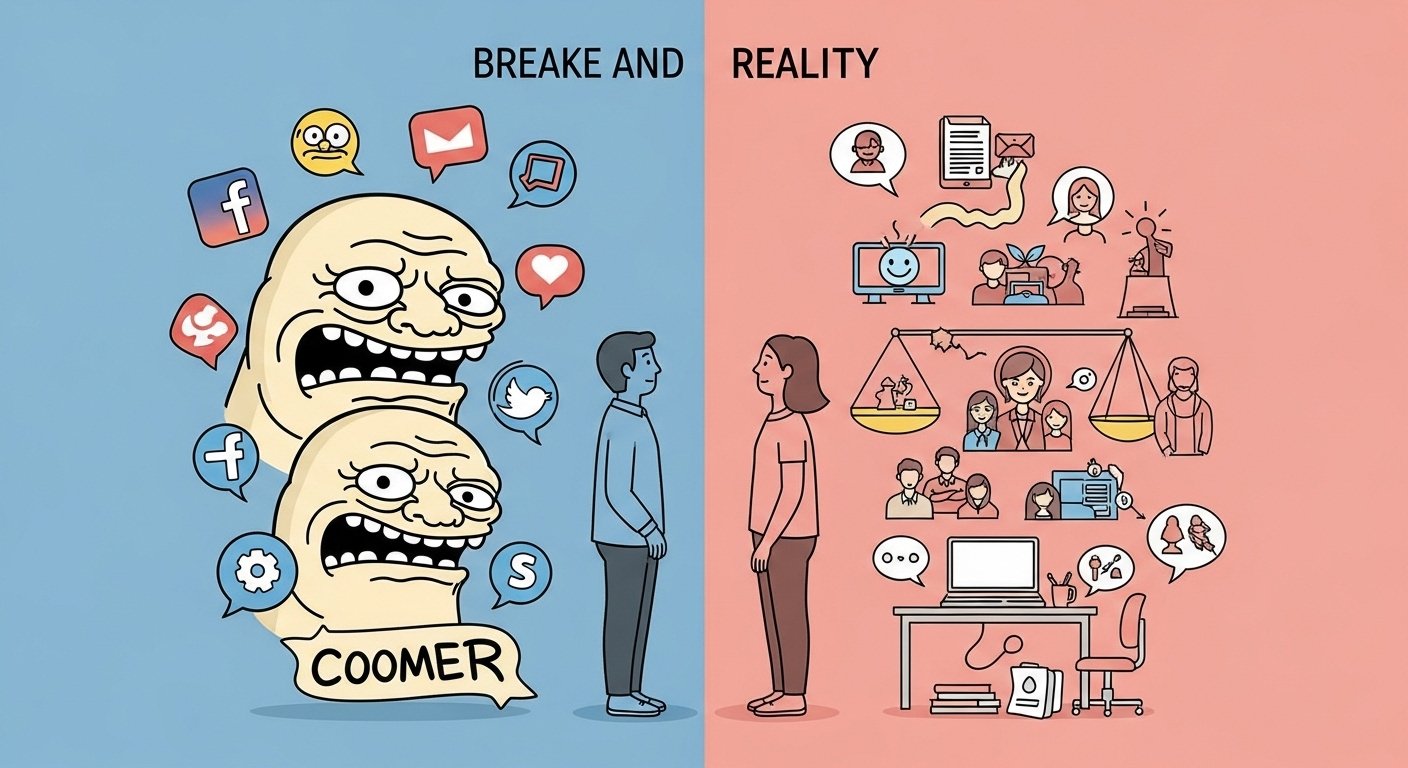
The term Coomer originated in online meme culture and is often used to describe individuals perceived as overly consumed by adult content or impulsive desires. Over time, the label gained negative connotations, portraying people as socially isolated, unmotivated, or addicted.
However, many of these assumptions are stereotypes rather than reality. Not everyone associated with the label fits these extreme portrayals, and individuals may have diverse lifestyles, careers, and relationships. The stereotype can contribute to stigma, misunderstandings about mental health, and harmful judgments about personal behavior.
Breaking down the Coomer stereotype involves recognizing the complexity of human behavior, promoting healthier conversations about sexuality and mental well-being, and avoiding simplistic labels that reduce individuals to online caricatures.
The term “Coomer” has become a buzzword in online communities, often used to describe individuals who are perceived as excessively consumed by their desires. But what does this label really mean? As we sift through the layers of stigma and misunderstanding surrounding it, we uncover much more than just memes and jokes. The Coomer stereotype paints a narrow picture that can overlook the complexities of individual experiences and struggles. In a world where labels can shape perceptions, it’s essential to delve deeper into what being labeled a Coomer truly entails—beyond the surface-level assumptions. Let’s challenge these misconceptions head-on and explore both the myths and realities tied to this controversial term.
Origins of the Term and Its Negative Connotation
The term “Coomer” emerged from internet culture, specifically within meme communities. It quickly gained traction on platforms like Reddit and 4chan. Initially, it referenced a specific type of individual who obsessively consumed adult content.
This label carries heavy implications. Coomers are often depicted as socially awkward, addicted to pornography, and detached from reality. Such portrayals reinforce negative stereotypes about men’s mental health and sexual habits.
The humor surrounding the term often masks its harmful effects. While memes can be entertaining, they contribute to stigmatization, painting a one-dimensional picture of complex individuals.
As the term spread beyond niche online spaces, it became shorthand for judging others based solely on their perceived behaviors related to sexuality or addiction. This transformation highlights how language shapes our perceptions of identity in society today.
Debunking the Myths Surrounding Coomers
The term “Coomer” often suggests a one-dimensional character, but that’s far from the truth. Many believe Coomers are lazy and unmotivated. In reality, countless individuals labeled as such lead productive lives filled with hobbies and career aspirations.
Another common myth is that all Coomers are socially isolated or incapable of forming relationships. This stereotype overlooks the fact that many enjoy fulfilling friendships and connections while navigating their own unique journeys.
Additionally, there’s a misconception that anyone who engages in adult content consumption fits this label. Enjoying adult material doesn’t define someone’s entire identity or their worth.
By challenging these stereotypes, we can better understand the diverse experiences that shape people branded as Coomers. Reducing them to mere caricatures fails to capture their complexity and humanity.
Exploring the Reality of Coomers
Coomers are often depicted as one-dimensional characters, but the truth is far more complex. Many people labeled as Coomers lead normal lives, juggling careers, relationships, and personal interests.
They might indulge in adult content occasionally but that doesn’t define their entire existence. Just like anyone else, they seek connection and fulfillment beyond screens.
Mental health plays a significant role too. Some turn to adult material due to loneliness or stress rather than any inherent flaw in character. Understanding this can foster empathy instead of judgment.
Moreover, not all who enjoy such content fit into the negative stereotype associated with being a Coomer. There’s a vast spectrum of experiences and motivations behind these behaviors that deserve recognition.
Real conversations about sexuality and human behavior can help dismantle harmful stereotypes surrounding Coomers while promoting healthier attitudes towards intimacy and self-expression.
Impact of the Stereotype on Individuals and Society
The Coomer stereotype carries significant weight, affecting how individuals perceive themselves and interact with others. Those labeled as Coomers often experience social stigma, leading to feelings of isolation and shame.
This stereotype can foster a negative self-image. Individuals may internalize the label, believing they embody the traits associated with it. This mindset can hinder personal growth and relationships.
On a societal level, the portrayal of Coomers perpetuates harmful narratives about addiction and masculinity. It reinforces outdated notions of what it means to be male in contemporary culture.
Media representation plays a role too. By sensationalizing this stereotype, content creators contribute to misunderstanding rather than fostering empathy or awareness. The cycle continues as these portrayals shape public opinion and policy discussions around mental health and sexual behavior.
Breaking down these stereotypes requires understanding their complexity. It’s essential for society to recognize that labeling does not define an individual’s worth or potential.
Breaking Free from the Coomer Label
Breaking free from the Coomer label requires self-awareness and a willingness to challenge societal perceptions. It begins with recognizing that this stereotype often oversimplifies an individual’s life experiences.
The key is redefining personal values and focusing on growth. Engage in activities that enrich your mind, body, and spirit. Whether it’s pursuing a new hobby or connecting with supportive communities, these efforts can foster a sense of purpose beyond the label.
Embrace open conversations about mental health and well-being. Sharing stories helps dismantle stigma while promoting understanding among peers.
Practice self-compassion. It’s crucial to forgive yourself for past behaviors as you work towards healthier habits. Growth takes time, but every small step counts toward reclaiming your identity outside the confines of stereotypes like “Coomer.”
Conclusion
The Coomer stereotype has garnered significant attention in recent years. Its origins are rooted in a meme culture that often oversimplifies complex human behaviors and experiences. The negative connotations attached to the term can be harmful, perpetuating myths rather than fostering understanding.
Debunking these myths shows that not all individuals labeled as Coomers fit this narrow description. Many people engage with adult content without falling into the trap of addiction or social withdrawal. It is essential to recognize this diversity within the community.
Exploring the reality of those who might identify with or be labeled as Coomers reveals their varied lives and interests beyond what stereotypes suggest. These individuals may have careers, hobbies, and genuine relationships that reflect more than their online persona.
The impact of such stereotypes extends beyond personal identity; it shapes societal attitudes toward sexuality and mental health. Misunderstandings can lead to stigmatization, pushing individuals further away from seeking help or connecting with others.
Breaking free from this label requires both personal reflection and a shift in public perception. Encouraging open conversations about sexuality without judgment can create an environment where everyone feels seen for who they truly are rather than how they’re categorized by trends or memes.
Shifting perspectives on what it means to be a Coomer opens doors for greater empathy and understanding within society at large, allowing individuals to reclaim their narrative instead of being defined solely by a stereotype.